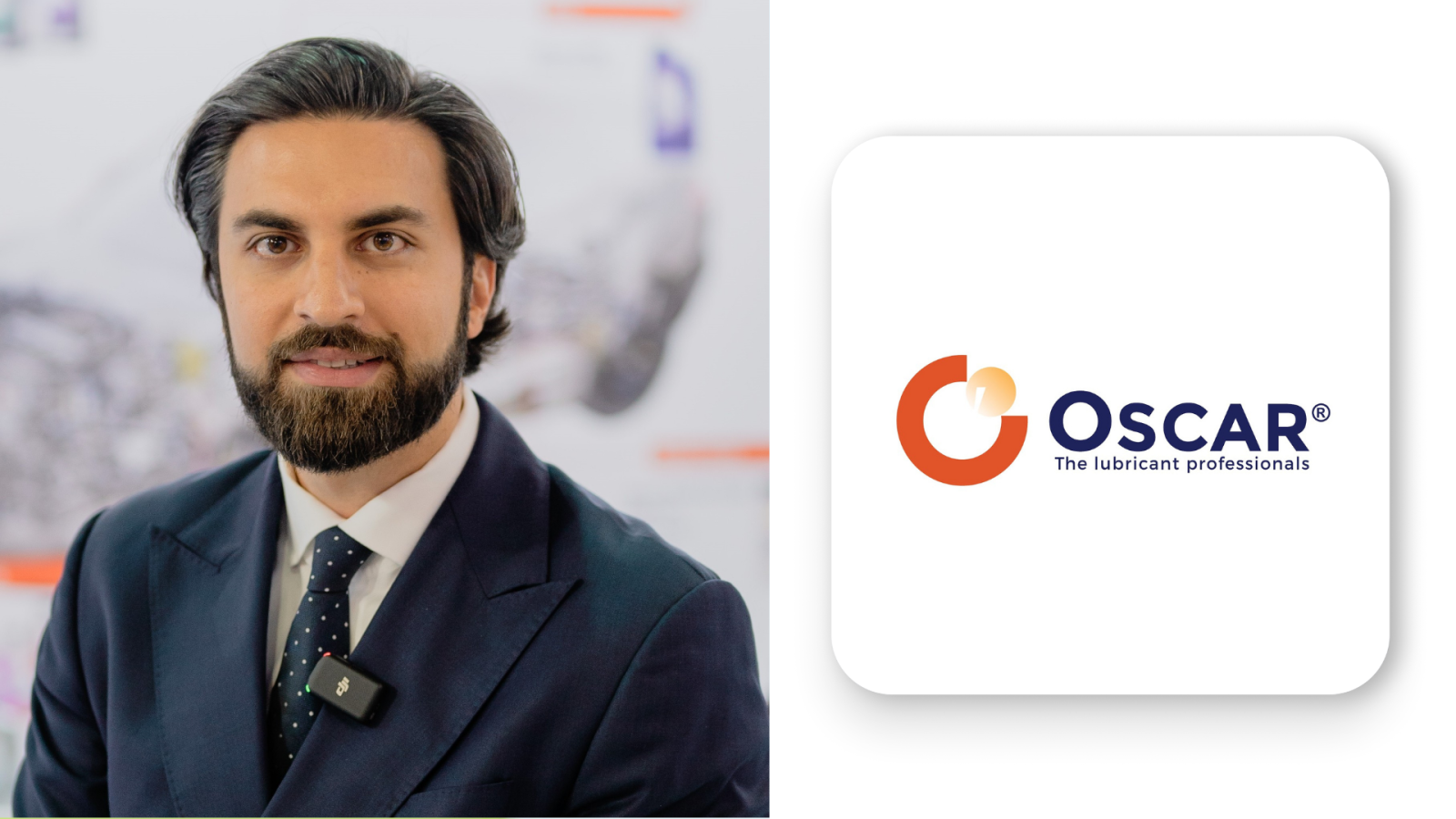
Due to the ongoing conflict, the global lubricant supply chain has seen a number of disruptions to their day-to-day operations. The Lubricant Expo Middle East team have reached out to our esteemed advisory board to get their take on the current situation and how best to manage it. We are very pleased to present an interview with Ahmed Shigidi the Business Head – Lubricants & Additives Division at TAMMECH & Oryx Industries.
1. What challenges does the lubricant supply chain face in light of current disruptions in the Middle East?
The lubricant supply chain in the Middle East is under sustained pressure from logistical disruption, cost volatility, and constrained availability of raw materials. Shipping instability continues to drive delays, rerouting, and unpredictable freight economics.
More critically, availability is no longer assured, exposing structural weaknesses in forecasting models and over-reliance on limited sourcing channels.
The impact is not only internal. Given that many regional producers are export-dependent, elevated cost structures are eroding competitiveness versus alternative supply markets where disruption impact is lower. This creates a tangible risk of customer base migration, as buyers shift to more cost-efficient suppliers. Such pressures introduce non-inherent market risks that may distort long-term investment decisions and weaken the region’s positioning in global trade.
2. What advice would you give to the lubricant sector to help counteract these challenges?
The sector must transition toward nimbleness-driven and resilience-oriented procurement strategies, rather than purely cost-optimized models.
- Diversification is essential to secure availability, even at the expense of short-term margin pressure
Adoption of multi-layered procurement frameworks (producers, traders, regional alternatives) reduces dependency risk
- Strategic buffering should replace extreme lean practices
- Strengthening supplier integration and visibility improves allocation security
At the same time, the industry must critically reassess its structural approach:
- Pure competition under current conditions may accelerate price pressure and erode regional competitiveness
- Conversely, selective cooperation between competitors—including strategic alliances, shared logistics, or sourcing agreements outside the region—can enhance collective resilience
However, this must be approached cautiously. Over-cooperation risks reducing market agility and may introduce governance and compliance complexities. The balance lies in structured collaboration without compromising competitive differentiation.
3. What can be learned from the current disruptions to help strengthen the lubricant supply chain in future?
The central lesson is clear: efficiency without resilience leads to systemic fragility. Over-optimized, single-source supply chains are no longer viable in a volatile environment.
The semiconductor (chips) crisis illustrated how excessive concentration and lack of redundancy can disrupt entire industries, parallels now evident in lubricants.
Going forward, the industry must embed:
• Resilience and diversification as core design principles
• Nimbleness in decision-making and execution
• Availability-driven planning, not purely cost-based optimization
• Regionalization and supply redundancy